Engine repairs rarely feel cheap, and the frustrating part is that many of them start with something small. A low oil level. Coolant is disappearing little by little. A filter that has been ignored for too long. A warning light that keeps getting cleared instead of being checked.
Most engines give clues before they become expensive.
Good engine maintenance is not about babying the car or replacing parts for no reason. It is about catching the wear patterns that tell you the engine is running hotter, dirtier, leaner, or rougher than it should.
1. Check The Oil Level Between Changes
Oil changes matter, but the level between oil changes matters too. Some engines use oil as they age, and some leak slowly enough that the driveway stays clean. If you only check the level when the oil is being changed, the engine may spend weeks running low.
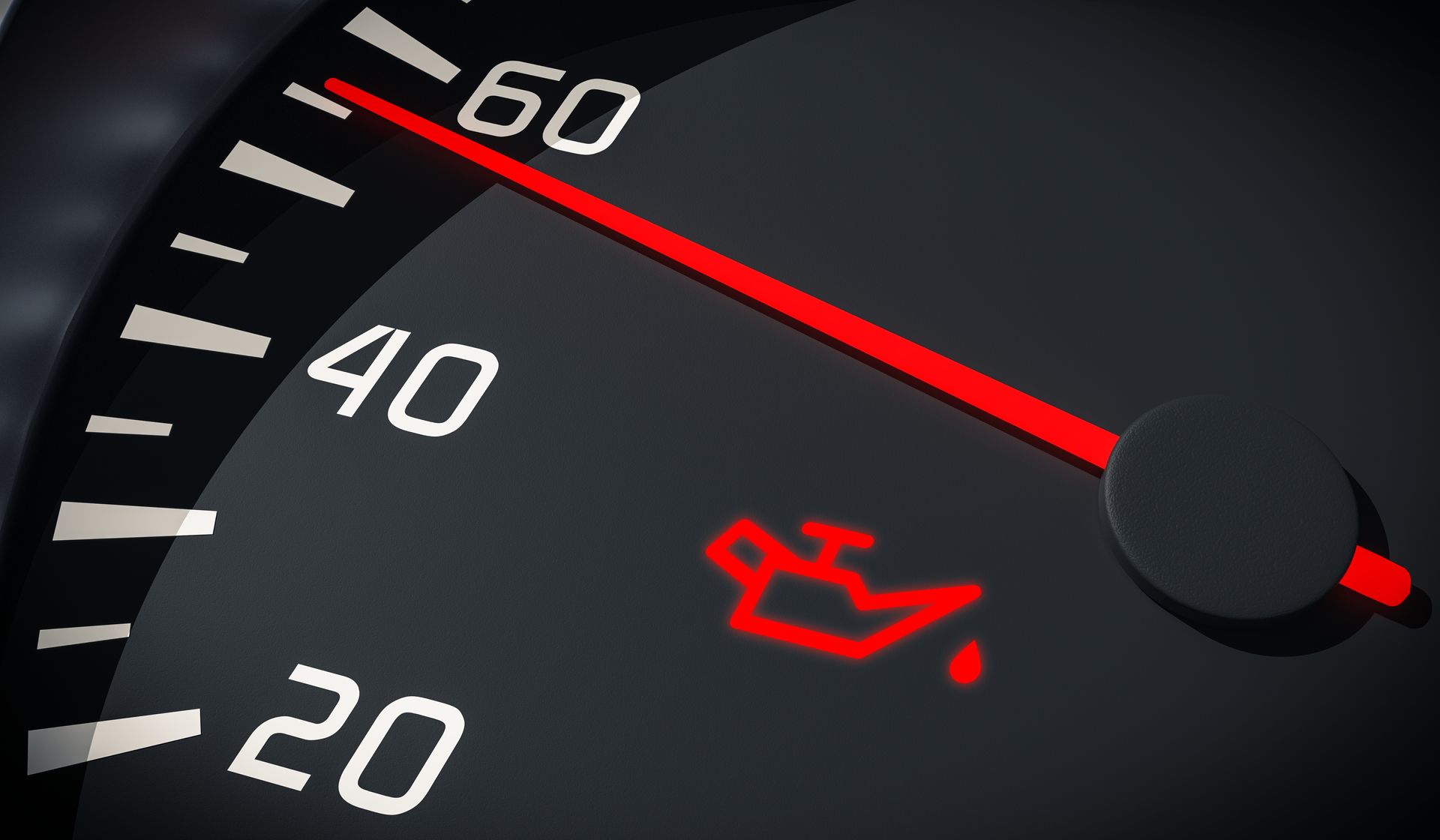
Low oil levels deprive bearings, timing components, camshafts, turbochargers on equipped engines, and other parts of steady lubrication. The first clue may be a little ticking at startup or an oil light flicker during a turn.
Check the dipstick on level ground and read it the same way each time. If the level keeps dropping, write down how many miles it takes to drop. That small note can help a technician tell the difference between a leak, oil burning, or a service-related issue.
2. Treat Coolant Loss Like A Real Problem
Coolant does not get used up like fuel. If the reservoir keeps dropping, something is leaking, venting, or entering where it shouldn't. A hose seep, radiator crack, weak cap, water pump leak, or thermostat housing issue can all start small.
The heat in Las Vegas leaves little room for a weak cooling system. A car that runs fine in the morning can start creeping hot in traffic when the A/C is on, and the pavement is cooking underneath it.
Look for a sweet smell after parking, crusty residue near hose ends, or a temperature gauge that does not behave like it used to. Catching a coolant problem early is one of the simplest ways to avoid head gasket damage and other major engine repairs.
3. Replace Filters Before They Restrict The Engine
The engine air filter is not exciting, but it matters. A dirty filter can restrict airflow, and poor airflow makes the engine work with bad breathing. On some vehicles, this can affect throttle response, fuel economy, and how cleanly the engine runs.
A filter can also look worse depending on where and how you drive. Dust, construction zones, desert wind, and stop-and-go driving can load it faster than a normal mileage schedule suggests. If the filter is packed, dark, warped, or full of debris, it is not doing the engine any favors.
During regular maintenance, we check the filter along with the intake area. A cracked intake tube or a loose clamp can cause a problem by allowing unmetered air into the engine.
4. Pay Attention To Starts, Idle, And Hesitation
A healthy engine has a rhythm. When that rhythm changes, it is worth noticing. Long cranking, rough idle, hesitation at stoplights, or a stumble under acceleration can point to spark plugs, ignition coils, fuel delivery, air leaks, carbon buildup, or sensor problems.
These symptoms can be mild at first. The car still drives, so drivers adjust to it. Then the check engine light comes on, or a misfire gets strong enough to damage the catalytic converter.
If the engine feels different when it is cold, hot, under load, or sitting at a red light, that timing is useful. We want those details because they make the inspection more focused and help avoid parts guessing.
5. Fix Small Leaks Before They Spread
A small oil leak can become a big mess long before it becomes a big puddle. Oil can collect on splash shields, run down the side of the engine, and blow backward while driving. By the time it reaches the ground, it may have already coated belts, hoses, mounts, or wiring.
Coolant leaks can be just as sneaky. They may dry on hot parts and leave only powdery residue. That is why smell is often the first clue.
Do not wait until the fluid level is low every week. A small leak is easier to trace when the engine is still clean enough to see where it starts.
6. Do Not Clear Warning Lights And Move On
A check engine light is not a repair recommendation by itself, but it is useful information. It tells you the computer saw something outside its normal range. Misfires, fuel mixture problems, sensor issues, temperature concerns, and emissions faults can all show up there.
Clearing the light erases the message, not the cause. It can also remove data that would have helped track the problem. If the light comes back on, the car is telling you the issue is still present.
A good diagnostic check looks at codes, live data, fuel trims, misfire counts, and the way the car behaves. That is how small-engine problems are separated from expensive ones.
Get Engine Maintenance In Las Vegas, NV, With Fedel's Auto Care
If your vehicle is using oil, losing coolant, running rough, leaking, or showing a warning light, Fedel's Auto Care in Las Vegas, NV, can check the engine and help you address small problems before they become expensive.
Schedule a visit and keep your engine on a smarter maintenance rhythm.