When the oil level drops between changes, it can catch you off guard, especially if the car feels fine and there are no spots on the driveway. Some engines do use a little oil by design, while others are quietly telling you something is starting to wear or leak.
The tricky part is figuring out which one you’re dealing with.
Why Oil Levels Drop Between Changes
Modern engines use oil through normal operation, especially over longer intervals. Heat, load, and the way the crankcase ventilation system handles vapors can all contribute, and the rate can vary depending on your driving habits.
The important detail is consistency. If the level drops at a steady, predictable rate, it may be manageable. If it suddenly gets worse or you need to add oil frequently, that is usually the moment to stop guessing.
Common Reasons Modern Engines Use Oil
Some engines run hotter and tighter than older designs, and that can make oil control more sensitive. Lighter piston rings and lower-friction designs can mean a small amount of oil gets past the rings over time, especially as mileage climbs. Turbocharged engines can also show more oil use because of higher pressures and the way the turbo system is lubricated.
Another common culprit is the PCV system. When crankcase pressure is not controlled properly, oil vapor can be pulled into the intake and burned without leaving obvious smoke. We see a lot of vehicles that do lots of short trips and spend time idling.
When It’s A Leak, Not Burning Oil
Oil use and oil leaks can look identical on a dipstick. A slow seep from a valve cover area or an oil filter housing seal can lower the level without leaving a puddle, especially if oil lands on a hot surface and burns off. If you notice a sharp oil smell after parking the vehicle, that is a better clue than the ground under the car.
Leaks can also spread and hide. Oil runs along engine surfaces, collects on splash shields, and drips from edges that are far from the source. That is why a quick look underneath can be misleading unless the area is cleaned and traced.
Driving Habits That Make Oil Consumption Worse
High-speed highway driving in heat, long hills, and frequent hard acceleration can all increase oil use because the engine is working harder and running hotter. Short trips can introduce their own problems, since the oil may not fully heat up, and moisture doesn’t get cooked out, which can change how the oil behaves over time.
If you want one simple habit that helps, check the level consistently and keep it within a safe range. That small routine is part of regular maintenance, and it keeps a small oil-use pattern from turning into a low-oil situation. If you’re topping off often, using the correct oil spec matters too, because the wrong viscosity can increase consumption in some engines.
What We Check To Confirm The Cause
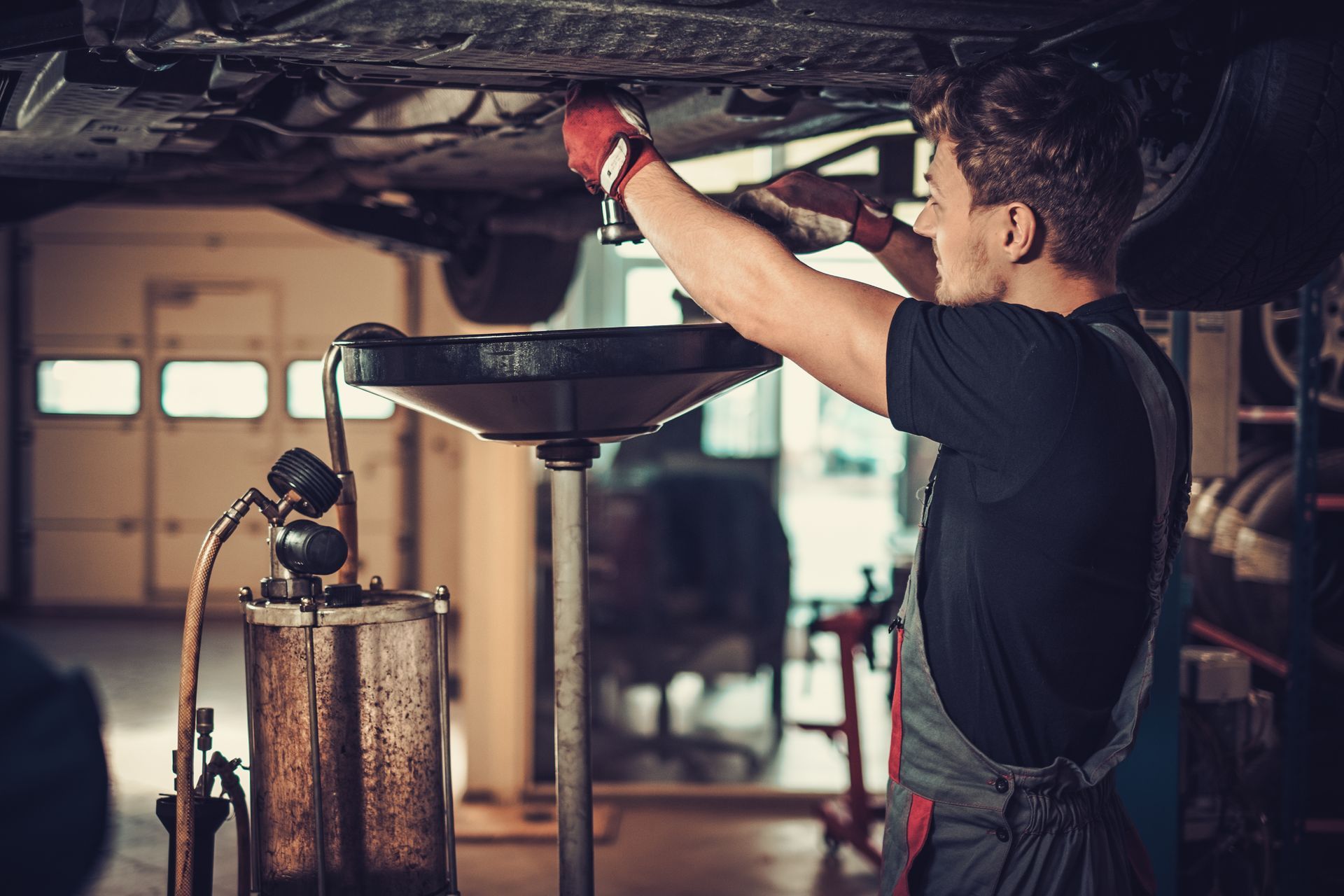
The most helpful first step is verifying how fast the oil level is dropping and looking for any external seepage. We’ll inspect common leak points, then check the PCV system's operation and look for clues that oil vapor is being pulled where it shouldn't. If needed, we’ll also look at how the engine is running and whether there are signs of excess crankcase pressure.
A quick inspection can also prevent false conclusions. It’s easy to blame oil burning when the real issue is a slow leak or a pressure-control problem that can be corrected. Once the cause is clear, the plan is usually straightforward, and you stop living in dipstick suspense.
Get Engine Oil Service In Las Vegas, NV, With Fedel's Auto Care
If your oil level keeps dropping, Fedel's Auto Care in Las Vegas, NV, can pinpoint whether it’s consumption, a leak, or a pressure-control issue and lay out the most sensible next step.
Schedule a visit and get a clear plan instead of repeated top-offs.
Oil Burning FAQ: 10 Questions With Answers
1. Is It Normal For A Car To Burn Oil Between Oil Changes?
Answer: A small amount is normal on most engines, especially with higher mileage. What matters is whether the rate is constant or increasing.
2. How Often Should I Check My Oil Level?
Answer: Check every two weeks or before a long trip. Always check on level ground with the engine off and cooled down.
3. Can Thin Oil Increase Oil Consumption?
Answer: It can on some engines, especially if clearances are worn. It’s best to stick with the factory spec unless a technician recommends a change.
4. Why Do I Smell Burning Oil But See No Puddle?
Answer: Oil can drip onto hot parts and burn off before it reaches the ground. That often creates odor after parking without obvious spots.
5. Can A PCV Problem Cause Oil Use?
Answer: Yes. A stuck or restricted PCV can raise crankcase pressure or pull oil vapor into the intake.
6. Does Highway Driving Affect Oil Use?
Answer: It can, especially in high heat and at higher speeds. Some engines show their oil-use rate more clearly on long highway runs.
7. Can A Turbo Engine Use Oil Even When Healthy?
Answer: All turbo engines use small amounts of oil as part of normal operation. A noticeable increase is a reason to have it checked.
8. What Oil Level Is Too Low To Keep Driving?
Answer: If the level is below the safe range on the dipstick, top off right away. If the oil light comes on, stop driving and get help.
9. Will Changing Oil Brands Fix Oil Burning?
Answer: It rarely fixes the root cause. Consumption usually results from wear, deposits, leaks, or pressure-control issues.
10. What Is The Fastest Way To Confirm Where The Oil Is Going?
Answer: Checking for leaks, verifying PCV operation, and tracking how much oil you add over time gives the clearest answer.